Welcome to OnTimePlumbers
Replacing bath taps is usually a one-visit job. A plumber isolates the water, disconnects the old taps, fits the new ones, reconnects the supply, and tests for leaks and flow. On a straightforward like-for-like swap with working isolation valves, expect roughly one to two hours on site. The job takes longer if the old tap […]
October 17, 2026
Replacing bath taps is usually a one-visit job. A plumber isolates the water, disconnects the old taps, fits the new ones, reconnects the supply, and tests for leaks and flow. On a straightforward like-for-like swap with working isolation valves, expect roughly one to two hours on site. The job takes longer if the old tap connectors are seized, the new taps need different fixings, or the bath has no isolation valves and the water has to be shut off at the stopcock.
A bath tap replacement we completed in Harrow
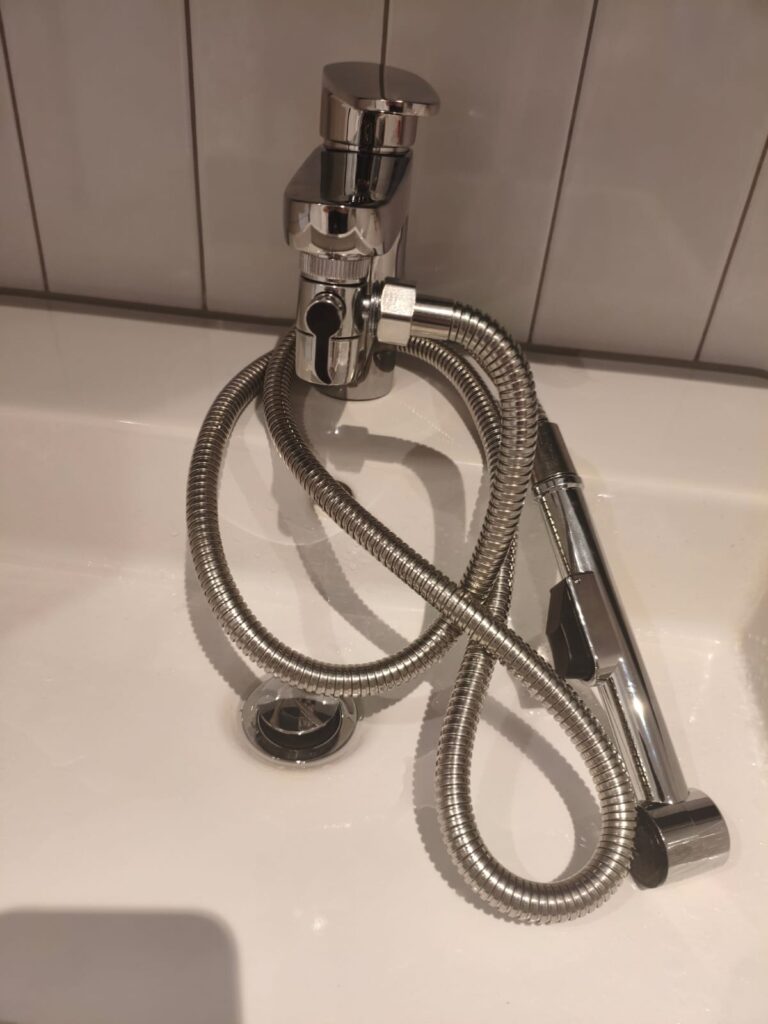
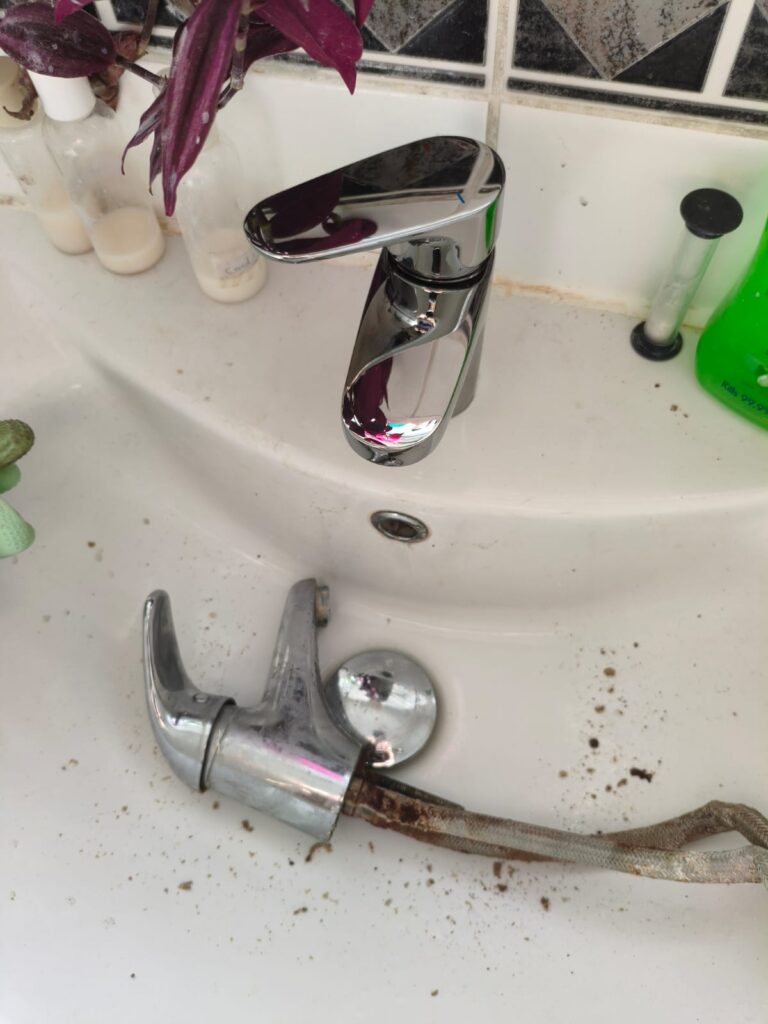
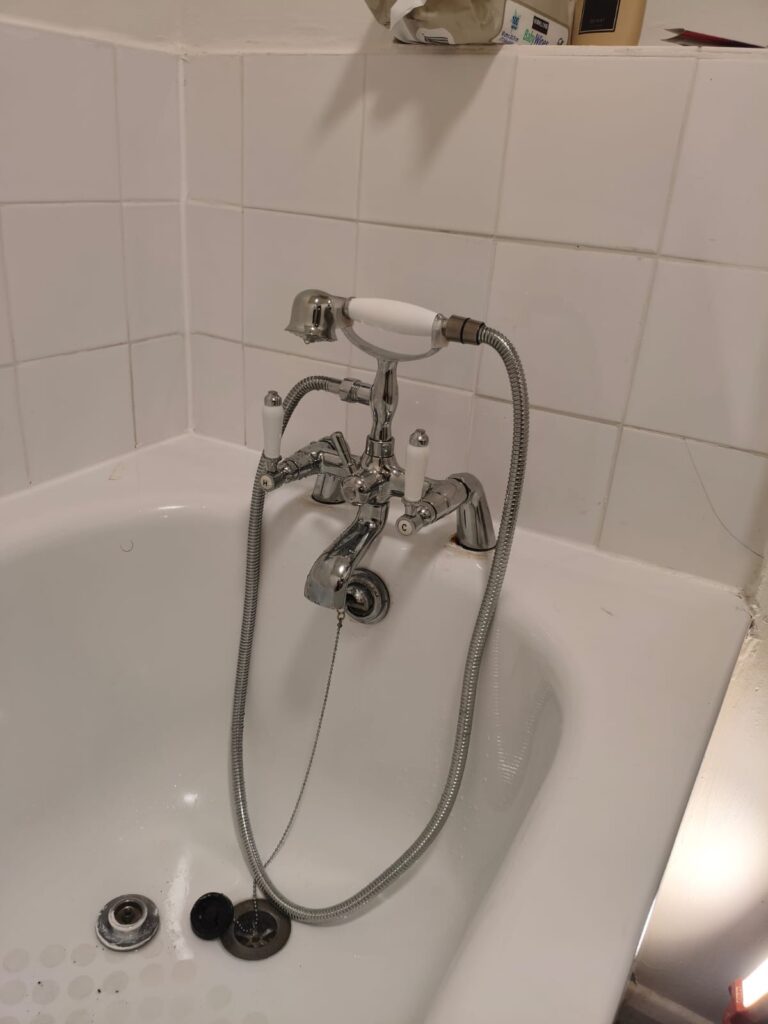
What was wrong with the original bath taps?
Bath taps rarely fail overnight. The usual causes are:
- Worn washers or ceramic discs. A constant drip from the spout, even when the tap is fully closed, points to a worn internal seal. One dripping tap can waste thousands of litres a year, according to Water UK figures quoted by consumer cost guides.
- Limescale. London is a hard water area. Scale builds up inside the tap and on the spindle, making taps stiff and leading to drips.
- Corroded or leaking connectors. Water weeping from beneath the tap, usually behind the bath panel, tends to come from the tap tail connectors rather than the tap itself.
- Loose or wobbling taps. Fixings under the bath rim work loose over time, which strains the supply pipes.
- Style or function upgrade. Many homeowners replace two separate pillar taps with a single bath filler or a bath-shower mixer to improve the look or give a shower option.
Repair or replace?
If the tap is in good condition and only drips, a new washer or cartridge may fix it. We recommend replacement when:
- The tap body is corroded, pitted or has lost its finish.
- The spindle is seized or the handles are cracked.
- Spare parts are no longer available for an older model.
- The customer wants a different style or a mixer with a shower attachment.
- The tap has been repaired before and is dripping again.
How we replaced the bath taps: step by step
This is the process we follow on a bath tap replacement. The job-specific details above show how it played out on this Harrow project.
1. Check the bath and the new taps match before starting. Taps have to suit the bath’s tap holes. A bath with two tap holes takes pillar taps or a two-hole deck mixer. A single central hole needs a monobloc mixer. Mismatched hole counts and spacing are one of the most common reasons a swap becomes a bigger job. Wall-mounted taps are a different job altogether, as the pipework runs through the wall.
2. Isolate the water. We shut off the hot and cold supplies to the bath. If there are isolation valves on the pipes beneath the bath, we use those. If not, we close the stopcock and drain down. Fitting isolation valves while the pipework is exposed is a sensible upgrade, since it makes any future tap work quicker and avoids shutting the whole house off.
3. Open the bath panel and get access. Most bath taps are connected from beneath or behind the bath, so the side panel usually has to come off. Access is often the slowest part of the job.
4. Disconnect and remove the old taps. We undo the tap connectors (the nuts joining the supply pipes to the tap tails), release the back nuts or fixings under the bath rim, and lift the taps out. Corroded or seized connectors can need patient work or replacement to avoid cracking the pipe.
5. Clean the surface and prepare the new taps. We clean the old sealant and limescale from the bath surface, fit the new tap washers and seals, and check the tails are the right length and thread.
6. Fit the new taps and reconnect the supply. Taps are seated on the bath, tightened under the rim without over-tightening (acrylic baths can crack), and connected to the supply with fresh sealing washers or flexible tap connectors where the pipework is slightly misaligned.
7. Test for leaks and flow. Water is turned back on slowly. We check every joint, run both taps, check for hot and cold at the correct sides, and check the flow is reasonable. We also check the bath overflow and waste while the bath is filled.
8. Seal and refit. Once everything is dry, we seal the base of the taps where needed and refit the bath panel.
Which type of bath tap should you choose?
| Tap type | How it works | Good for | Watch out for |
|---|---|---|---|
| Pillar taps (pair) | Separate hot and cold taps | Traditional or period bathrooms, easy like-for-like swap | Two separate streams of water, so temperature is mixed in the bath |
| Bath filler (mixer) | One spout, two handles, mixes at the spout | Cleaner look, single stream | Needs the right hole layout in the bath |
| Bath-shower mixer | Spout plus a hand shower on a hose | Households without a separate shower | Pressure and the type of water system matter, see below |
| Monobloc bath filler | One-piece body with a single-hole fitting | Baths with one tap hole | Fewer options for hole spacing |
| Wall-mounted bath tap | Fixed to the wall, pipes hidden in the wall | Freestanding or modern baths | Larger job: pipework, tiling and wall access |
Pressure and system type matter more than most people expect
Before ordering taps, find out whether your home has high pressure (mains-fed, or a combi boiler) or low pressure (a tank-fed gravity system with a cold water tank in the loft). A tap or shower mixer designed for high-pressure supply may not perform properly on a gravity system, and the reverse also applies. Check the product specification for the minimum operating pressure. Many period and older properties still have tank-fed hot water, so this is worth checking.
Look for WRAS approval
Fittings connected to the mains water supply must meet the Water Supply (Water Fittings) Regulations 1999. WRAS (Water Regulations Advisory Scheme) approval is the usual way of demonstrating that a tap is suitable for UK installations. Taps that are not approved can cause problems with insurance claims and with water company compliance. Bath taps also need to prevent water flowing back into the supply (an air gap above the bath’s overflow level), which approved taps are designed to do.
How much does bath tap replacement cost?
Costs vary by tap type, access and plumber. Published UK cost guides give a broad market picture:
- MyJobQuote, drawing on real UK tradesperson quotes, puts the average cost of replacing a tap at around £100, and a simple bath filler replacement at roughly £50 labour plus about £80 materials for around an hour of work.
- Another UK cost guide gives an average of about £120 per tap replacement, with a typical range of £80 to £200.
These are national averages and do not reflect London labour rates, which tend to be higher. Expect the price to rise if:
- New isolation valves or connectors have to be fitted.
- The bath has no isolation valves and the stopcock has to be used.
- Access under the bath is cramped or the panel is awkward to remove.
- The new taps need a different hole layout, or the job involves a bath-shower mixer with a new hose and diverter.
- Existing pipework is corroded and has to be replaced.
Common mistakes we see with bath tap replacement
- Buying taps before checking the bath. The number and spacing of tap holes decide which taps fit.
- Ignoring system pressure. A high-pressure tap on a low-pressure system gives a disappointing trickle.
- Over-tightening on an acrylic bath. Excess force can crack the bath around the tap hole.
- Reusing perished washers and connectors. Old seals tend to leak again once disturbed.
- Skipping isolation valves. If the pipes beneath the bath don’t have them, add them while you are there.
- Using non-approved taps. These may not meet water regulations.
- Not testing under the bath. A drip at a hidden connector can rot flooring for months before anyone notices.
- Using thread tape or sealant where a washer seal is required. Many tap connectors seal on the washer, not the thread.
Expert tips from the job
- Take photos of the existing setup before disconnecting anything, especially which side is hot and which is cold.
- Keep a short towel or tray under the connectors when disconnecting. Even an isolated pipe holds some water.
- Replace flexible connectors rather than reusing them. They are cheap relative to the cost of a leak.
- Do a dry fit of the taps in the bath before final tightening, and check the spout reaches over the bath edge.
- Run the bath for a few minutes, then check beneath it again. Some leaks only show under steady flow or weight.
Harrow housing stock: what to expect
Harrow has a wide mix of properties: interwar semi-detached houses in areas such as Pinner, Rayners Lane and Kenton, older terraced houses around Harrow on the Hill and Wealdstone, and post-war and modern flats. For bath tap replacement, this matters in a few ways:
- Older properties can have tank-fed hot water, older tap connections and corroded pipework behind the bath.
- Flats often have the bath boxed in tightly, with limited access to the pipework.
- Renovated bathrooms may use modern deck-mounted taps with different hole layouts to older sets.
When to call a plumber instead of doing it yourself
Swapping a like-for-like pair of bath taps is within reach of a confident DIYer with the right tools, but call a plumber when:
- The taps are seized and won’t release.
- There are no isolation valves and you aren’t sure where the stopcock is.
- You are moving from separate taps to a mixer, or adding a shower attachment.
- The pipework is corroded or the bath is acrylic and delicate.
- There is any sign of leaking beneath the bath already.
- You want the work to be guaranteed.
If the leak is active and you can’t stop it, close the stopcock and call us. See our Harrow emergency plumber for out-of-hours help, or book the work as a planned job.
Frequently asked questions
How long does it take to replace bath taps? Usually one to two hours for a like-for-like swap with working isolation valves. Allow longer if connectors are seized, new valves are needed or the taps need different fixings.
How much does it cost to replace bath taps in Harrow? Published UK cost guides put a typical tap replacement between about £80 and £200, with averages around £100 to £120. London rates and job specifics can push this higher.
Can I replace bath taps myself? You can if you are comfortable isolating the water and working in a tight space, but mistakes cost more than the labour saved. A leak behind a bath panel is easy to miss.
Do I need to drain the water system to replace bath taps? Not usually. Closing the isolation valves, or the stopcock if there are none, and running the taps to empty the pipes is usually enough.
Will any tap fit my bath? No. The number and spacing of tap holes, the thickness of the bath and the tail connections all affect compatibility.
What is the difference between a bath filler and a bath-shower mixer? A bath filler only fills the bath. A bath-shower mixer includes a hose and hand shower, so it needs a diverter and works best when the water supply pressure suits it.
Why is my new bath tap dripping or leaking underneath? The most common causes are an undertightened connector, a missing or damaged sealing washer, or misaligned supply pipes. Turn the water off and have it checked.
Does a bath tap replacement need building regulations approval? A like-for-like tap replacement doesn’t normally need notification, but the taps and any new fittings must comply with the Water Supply (Water Fittings) Regulations 1999.
Can you replace taps on a freestanding or wall-mounted bath? Yes, but these are more involved jobs because pipework often runs through the floor or wall. We quote these separately after assessing access.
Is a dripping bath tap an emergency? A slow drip is not an emergency, but a leak from beneath the bath or a tap that won’t shut off is. Close the stopcock and call us.
Need bath taps replaced in Harrow?
OnTime Plumbers replaces bath taps across Harrow and the surrounding area, from simple like-for-like swaps to full bath-shower mixer upgrades. Tell us the type of taps you have now and the ones you’d like, and we’ll confirm the job and price before we start.