Welcome to OnTimePlumbers

We completed a toilet syphon and filling valve replacement in SO40, Southampton. The two parts do different jobs: the syphon (siphon) is the flushing mechanism that lifts water out of the cistern into the pan, and the filling valve (fill valve or float valve) refills the cistern afterwards and shuts the water off at the […]
October 24, 2026
We completed a toilet syphon and filling valve replacement in SO40, Southampton. The two parts do different jobs: the syphon (siphon) is the flushing mechanism that lifts water out of the cistern into the pan, and the filling valve (fill valve or float valve) refills the cistern afterwards and shuts the water off at the right level. When both are worn, the toilet flushes weakly and refills badly. Replacing them together while the cistern is already open usually avoids a second call-out.
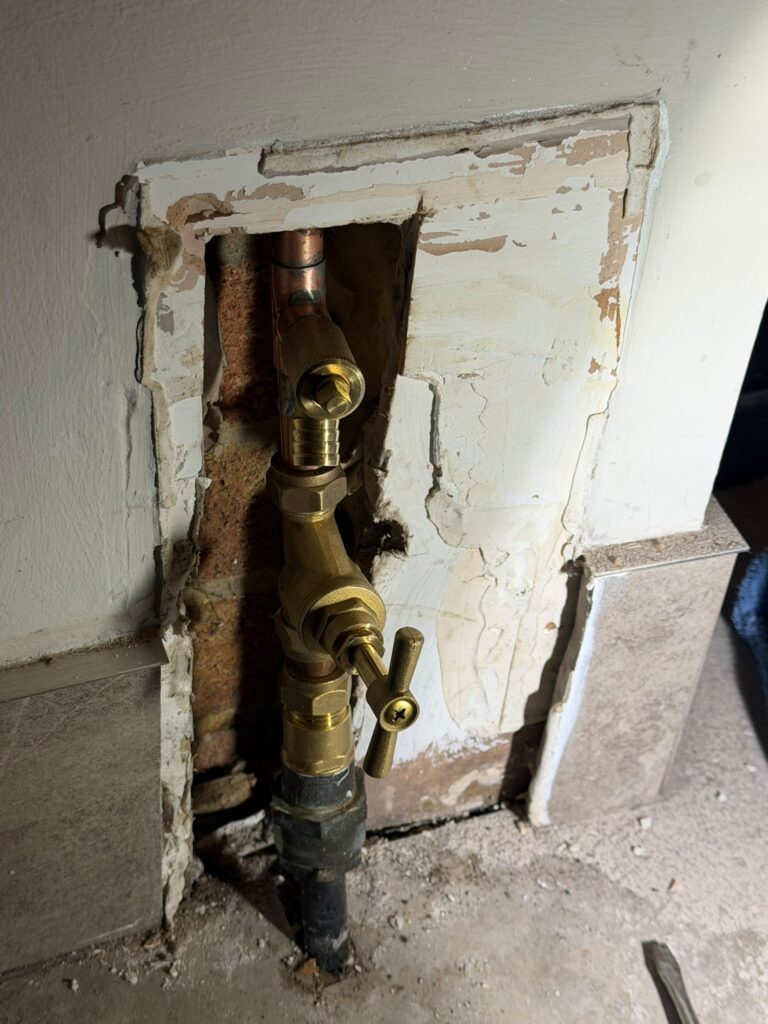
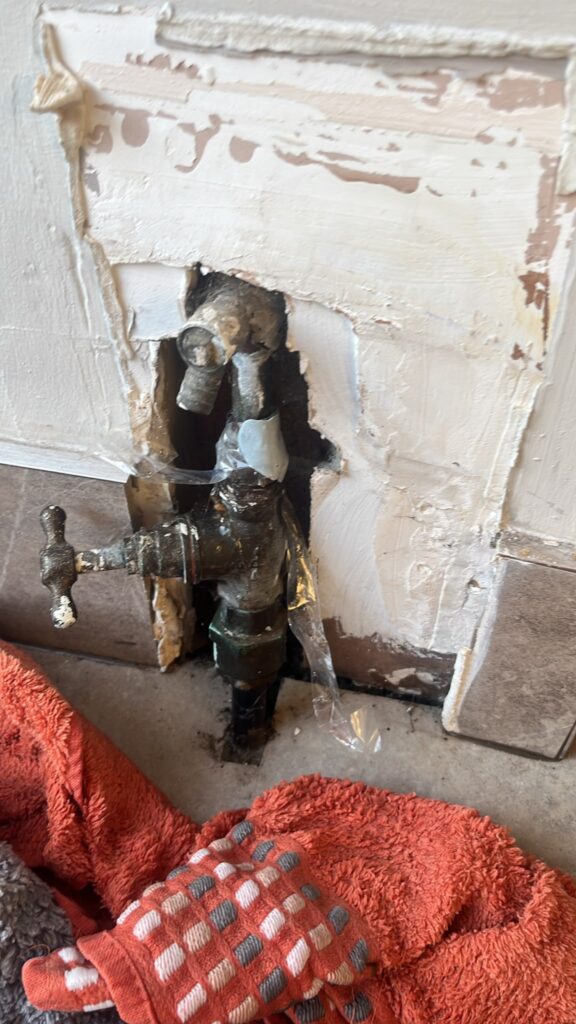
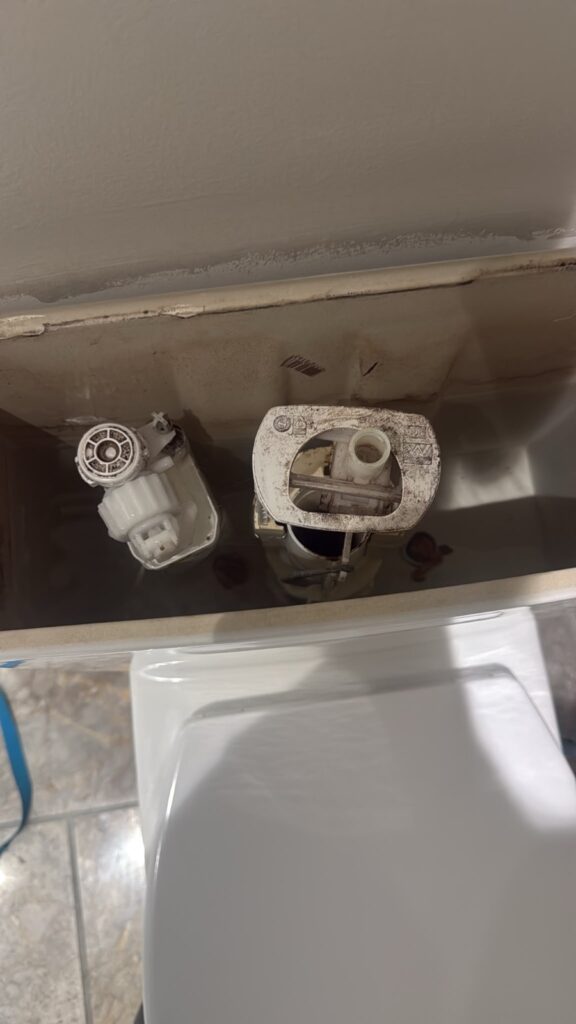
Which part has failed? Syphon or filling valve
Most competing pages jump straight to the replacement steps. The more useful question is which part is at fault, because the symptoms point in different directions.
| Symptom | Most likely part | What’s happening |
|---|---|---|
| Handle needs pumping several times before it flushes | Syphon | The diaphragm or washer is worn and can’t lift the water |
| Weak or partial flush | Syphon (sometimes the fill valve level) | The syphon isn’t lifting enough water, or the cistern isn’t filling to the correct level |
| Water runs continuously into the cistern or hisses | Filling valve | The valve isn’t shutting off properly |
| Water dribbles out of the overflow pipe outside | Filling valve (or float set too high) | The cistern is overfilling |
| Cistern takes a long time to refill | Filling valve (blocked or scaled) | Flow is restricted |
| Cistern refills by itself every so often | Flush valve seal or filling valve | Water is leaking into the pan or the level is dropping |
Many cisterns use a dual-flush drop valve instead of a syphon. If your cistern has a drop valve rather than a syphon, the same principle applies, but the part and the fix differ. Always check what type you have before ordering.
What causes a toilet syphon and filling valve to fail?
- Perished rubber. Washers and diaphragms harden and crack with age.
- Limescale. Southampton and the surrounding area sits on chalk geology and has generally hard water, which builds up on valve seats and moving parts.
- Wear from use. A busy household flushes the mechanism thousands of times a year.
- Debris. Grit or scale in the supply can stop the valve seating and shutting off.
- Old, mismatched or cheap parts. A previous repair with the wrong part can leave the mechanism ill-fitting.
An overflowing cistern is not only a nuisance. A filling valve that doesn’t shut off wastes water continuously, and the water must be going somewhere, usually down the overflow. If you see water running from the overflow pipe, it needs attention.
Repair or replace?
A new washer or diaphragm can sometimes restore a worn syphon, and a filling valve can sometimes be cleaned. We generally recommend replacing both parts when:
- The cistern is a few years old and both parts show wear.
- Parts for the exact model are no longer available.
- Scale has built up inside the valve.
- The previous repair has failed more than once.
- The cistern is hard to access, so a second call-out costs more than the parts.
That is professional judgement, not a regulation.
How we replaced the syphon and filling valve
This is our process for a cistern repair. The snapshot above shows how it applied on this job.
- Check the problem first. Observe the flush and refill, and look at the overflow, so we know what we’re fixing.
- Isolate the water. Close the cistern’s isolation valve, or the stopcock if there isn’t one, and flush to empty the cistern. Fit an isolation valve if one is missing.
- Disconnect the supply. Release the supply pipe from the filling valve and mop up any residual water.
- Remove the old syphon. Disconnect the flush handle linkage and undo the large nut under the cistern. Support the cistern while doing this, so the connection to the pan isn’t strained.
- Remove the old filling valve. Undo the back nut and remove the valve through the cistern.
- Clean and inspect. Remove scale and debris, and check the cistern for cracks, the seal to the pan and the washers.
- Fit the new syphon and seals. Use the correct size and type, set to the cistern depth, with new seals and a correctly adjusted handle linkage.
- Fit the new filling valve. Use a WRAS-approved valve, seat the washer correctly and reconnect the supply without over-tightening plastic parts.
- Set the water level. Adjust the float so the water stops at the cistern’s marked level, below the overflow.
- Test several times. Fill, flush repeatedly, check for leaks at every joint and under the cistern, and check the water stops cleanly.
Compliance note
Fittings connected to the mains supply must meet the Water Supply (Water Fittings) Regulations 1999. Using WRAS-approved parts is the usual way to show compliance, and the cistern must have a working overflow so any fault shows outside. Check the current wording on the WRAS and GOV.UK sites before publishing.
Common mistakes
- Replacing the wrong part. A new filling valve won’t cure a worn syphon.
- Buying a “universal” part without checking the cistern. Height, nut size and flush type matter.
- Over-tightening plastic nuts. They can crack the cistern, turning a small job into a full replacement.
- Setting the water level too high. It can cause constant overflow or a poor flush.
- Ignoring the overflow. It is the warning that the valve isn’t shutting off.
- Skipping the isolation valve. Every future repair becomes harder.
- Not testing enough flushes. Some faults show only after repeated use.
SO40: what to expect
SO40 covers Totton, Marchwood and nearby areas on the edge of Southampton and the New Forest. The housing is a mix, including post-war and later estates as well as newer developments. Older cisterns may have discontinued parts, and hard water means scale is a recurring cause of failure. If the cistern is concealed, or the toilet is boxed in, access can add time.
How much does it cost?
UK guides suggest this is a low-cost repair:
- One UK guide gives plumber labour at about £60 to £120, a new flush or fill valve at about £10 to £30 per part, and a full cistern rebuild by a plumber at about £120 to £200 in total.
- Another UK guide puts a fill valve alone at about £8 to £25.
- In one tradespeople Q&A thread, plumbers quoted roughly £70 to £120 including the valve for a fill valve replacement. This is informal evidence, not a formal price guide.
These are national figures, not SO40 prices. Costs rise for concealed or built-in cisterns, seized fittings, cracked cisterns and emergency call-outs.
When to call a plumber
Call a plumber if water is running from the overflow, the cistern won’t stop filling, the toilet won’t flush after a couple of tries, nuts or fittings are seized, the cistern is concealed or built into a wall, or there’s any sign of leaking onto the floor. If the cistern is overflowing and you can’t stop it, close the isolation valve or the stopcock. Know more our toilet repair
Frequently asked questions
Why does my toilet need pumping several times to flush? Usually a worn syphon diaphragm or washer. It can’t lift the water in one go.
Why is my toilet cistern constantly running? Usually the filling valve isn’t shutting off, because of a worn washer, scale or a float set too high. It can also be a flush valve seal leaking into the pan.
Why is water coming out of the overflow pipe? The cistern is overfilling, most often because the filling valve isn’t closing. Treat it as something to fix soon.
Can I replace a toilet syphon and filling valve myself? Many people can, with the right parts. Seized nuts, a concealed cistern or an unknown model are good reasons to call a plumber.
How long does it take? Usually under an hour or two, longer if the cistern is concealed or fittings are seized.
How much does it cost? UK guides suggest roughly £60 to £120 labour plus parts, with a full cistern rebuild often £120 to £200 in total.
Should I replace both parts together? Often yes. They wear at the same rate and the cistern is already open. That is professional judgement, and it depends on the condition of each part.
Need a toilet cistern repaired in SO40?
Tell us what the toilet is doing, whether it won’t flush properly, keeps running or overflows, and we’ll confirm the likely fault and the price before we start.
Call OnTime Plumbers: 08000 584799 | Toilet repair and plumbing services