September 24, 2026

a boiler’s gas use in kWh per hour is roughly the same as its kW rating when running at full output — a 24kW...

A reliable central heating system is the beating heart of any British home, particularly during those notoriously brisk and draughty winter months. But like all mechanical installations, boilers, radiators, and pipework will not last forever. If you find yourself constantly adjusting the thermostat, shivering in the lounge, or routinely searching for a dependable Plumber in london, it is probably time to evaluate your setup.
Understanding your heating system lifespan is crucial for homeowners and landlords alike. Waiting until your boiler breaks down on the coldest day of the year is an expensive and stressful mistake. Let’s explore how often you should upgrade your system, the warning signs to look out for, and how to maintain a warm, energy-efficient property.

As a general rule of thumb, a standard gas boiler will last between 10 and 15 years. However, the lifespan of the wider central heating system—which includes your radiators, pipework, and thermostats—can be much longer, often up to 20 or 30 years if properly maintained.
As boilers age, their heating system efficiency drastically declines. An older, G-rated boiler operates at around 70% efficiency, meaning 30p of every pound you spend on gas is completely wasted. When you decide to replace heating system components with modern, A-rated alternatives, you can recover those costs over time through significantly lower energy bills.
You do not necessarily have to wait for a complete breakdown to invest in a central heating upgrade. Look out for these common warning signs:

When it comes to Plumbing london, properties present a unique set of challenges. One of the most significant factors is water quality. The impact of hard water on London home appliances cannot be overstated; limescale build-up will quickly degrade heat exchangers, valves, and pipework if a scale reducer is not fitted.
Furthermore, many Londoners live in period mansion blocks or modern apartment complexes. Water pressure issues in multi-storey London buildings are incredibly common. If your current system relies on an old gravity-fed setup, upgrading to a modern, pressurised unvented cylinder can dramatically improve both your heating and your morning shower experience.
Interestingly, a major heating upgrade is often the perfect time to tackle other domestic upgrades. Because floorboards will likely be lifted and water mains temporarily shut off, many homeowners tie heating replacements into wider renovations, such as modern bathroom installation project management or finally sorting out persistent domestic issues like clearing blocked kitchen sinks and drains.
Deciding whether to patch up an old system or install a new one often comes down to cost. A major component failure, such as a cracked heat exchanger, is rarely worth fixing on an old unit.
If disaster strikes suddenly, you will need to rely on emergency plumbing services Greater London. When a corroded pipe finally gives way, a swift emergency response time for burst pipe repairs is vital to prevent catastrophic water damage to your ceilings and floors. This highlights the importance of proactively finding reliable 24-hour emergency call-out services before you actually need them.
When planning an upgrade, you will also need to consider who will do the work. Many homeowners debate the merits of local independent contractors versus national plumbing franchises. Independents often offer a more personalised service and flexibility. To gauge expected costs fairly, it is worth researching the average hourly rates for trade services in London, ensuring you are neither overcharged nor accepting quotes that seem suspiciously cheap. Always base your final decision on top-rated customer reviews for local trade professionals to guarantee quality workmanship.

Whether you are completing routine repairs or a full installation, safety is paramount. You must know exactly how to verify Gas Safe registered engineers. Always ask to see the engineer’s ID card and check the unique licence number on the official Gas Safe Register website.
For property investors, maintaining heating systems is a strict legal obligation. If you are renting out a flat or house, you must keep on top of landlord gas safety certificate requirements UK. A new boiler installation will be certified upon completion, but it must still be inspected annually thereafter.
To maximise the lifespan of your new or existing setup, consistent heating system maintenance is essential. Follow these actionable tips:
So, how often should you replace your central heating system? If your boiler is approaching its 15th birthday, struggling to keep the house warm, or costing a fortune in repairs and energy bills, the time for an upgrade is now.
Replacing your central heating is a significant investment, but the rewards—lower energy bills, a warmer home, and absolute peace of mind—are well worth it. By hiring certified professionals, staying on top of annual maintenance, and understanding the specific demands of London’s plumbing network, you can ensure your home remains a cosy sanctuary for decades to come.
a boiler’s gas use in kWh per hour is roughly the same as its kW rating when running at full output — a 24kW...
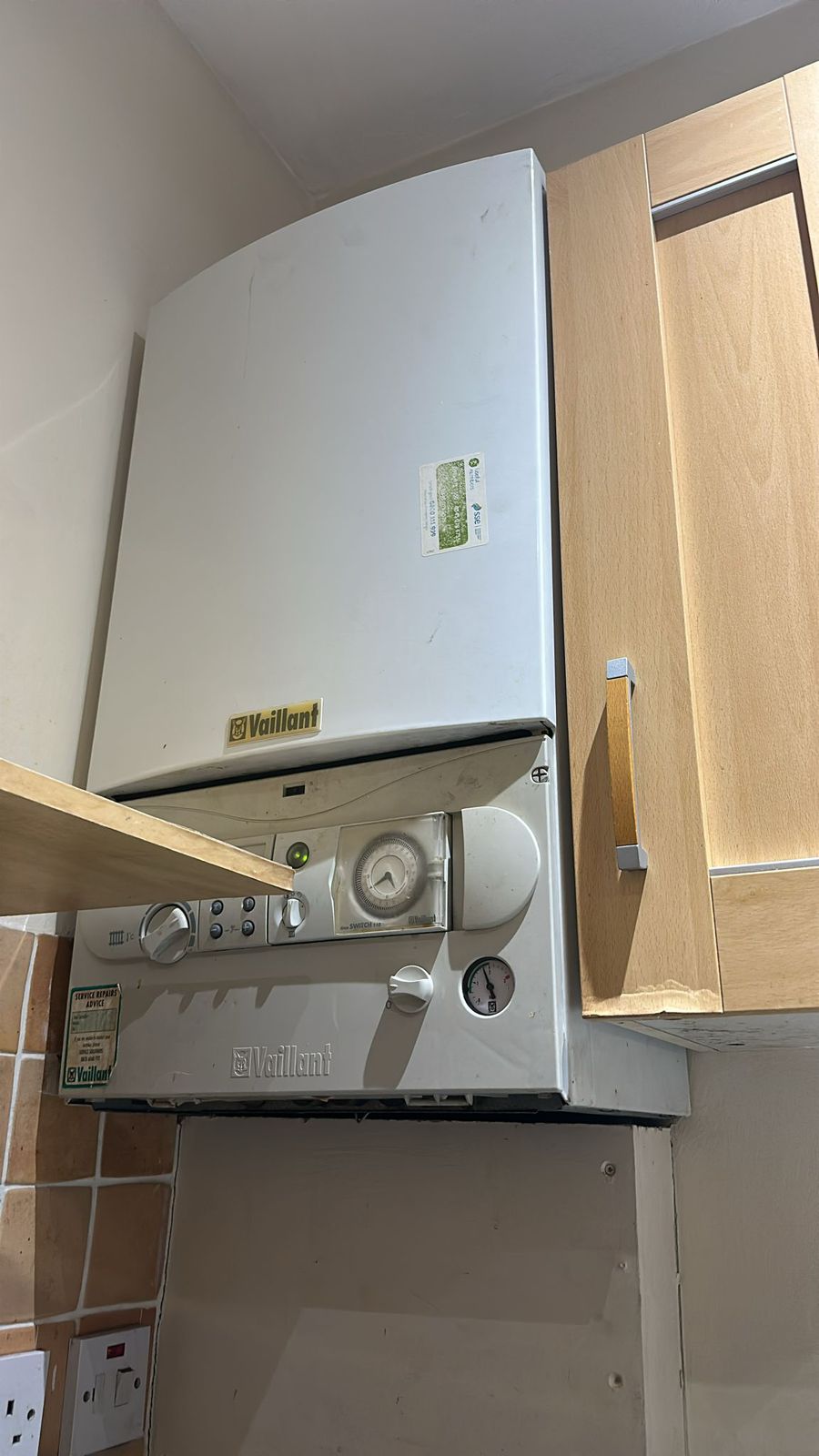
A combi (combination) boiler heats water directly from the mains the instant you turn on a tap, rather than storing hot water in a...
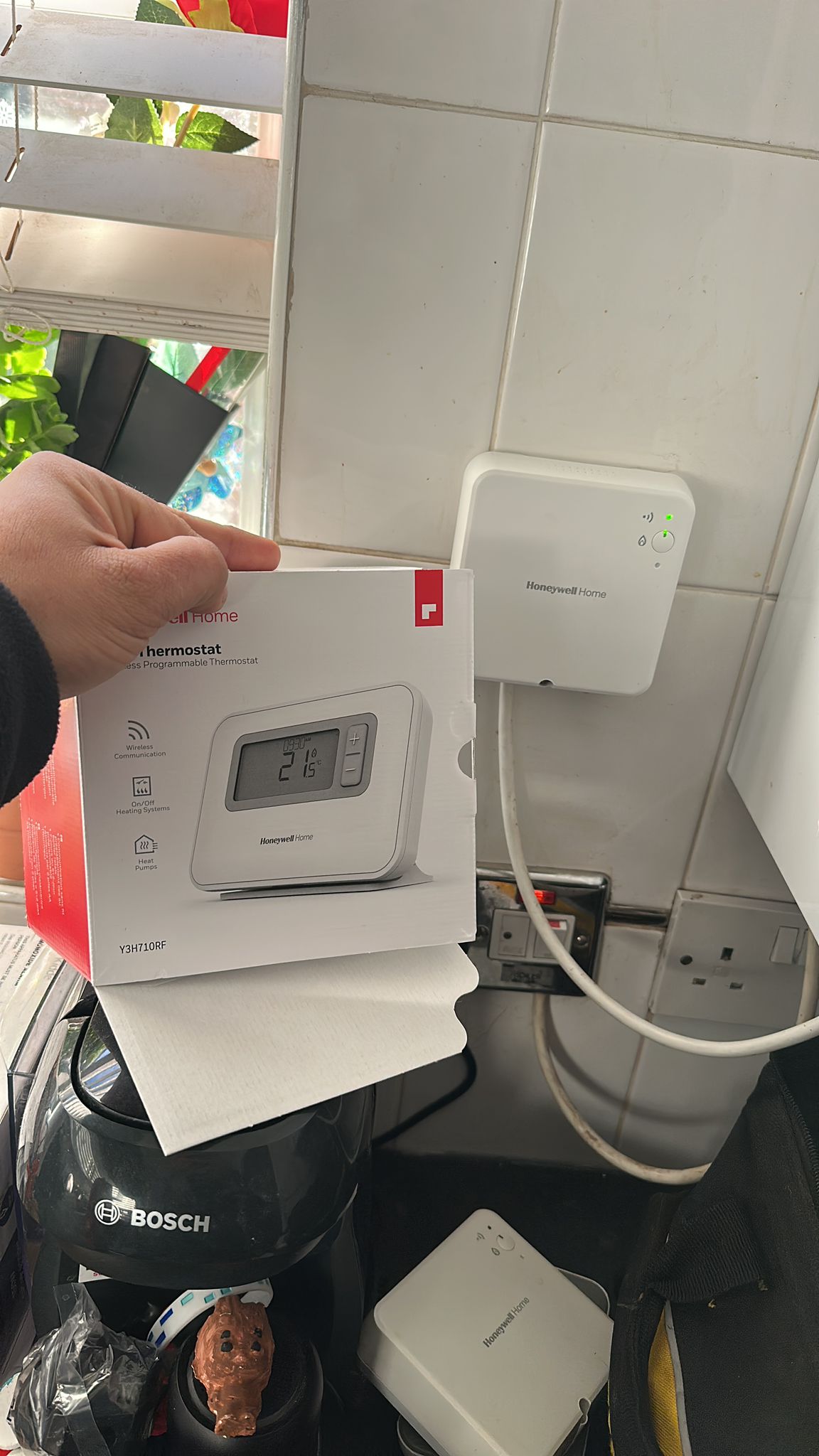
A full central heating installation in London typically costs £4,000–£9,000+ for a standard 3-bedroom home, replacing an existing system with usable pipework. Smaller flats...