September 24, 2026

a boiler’s gas use in kWh per hour is roughly the same as its kW rating when running at full output — a 24kW...

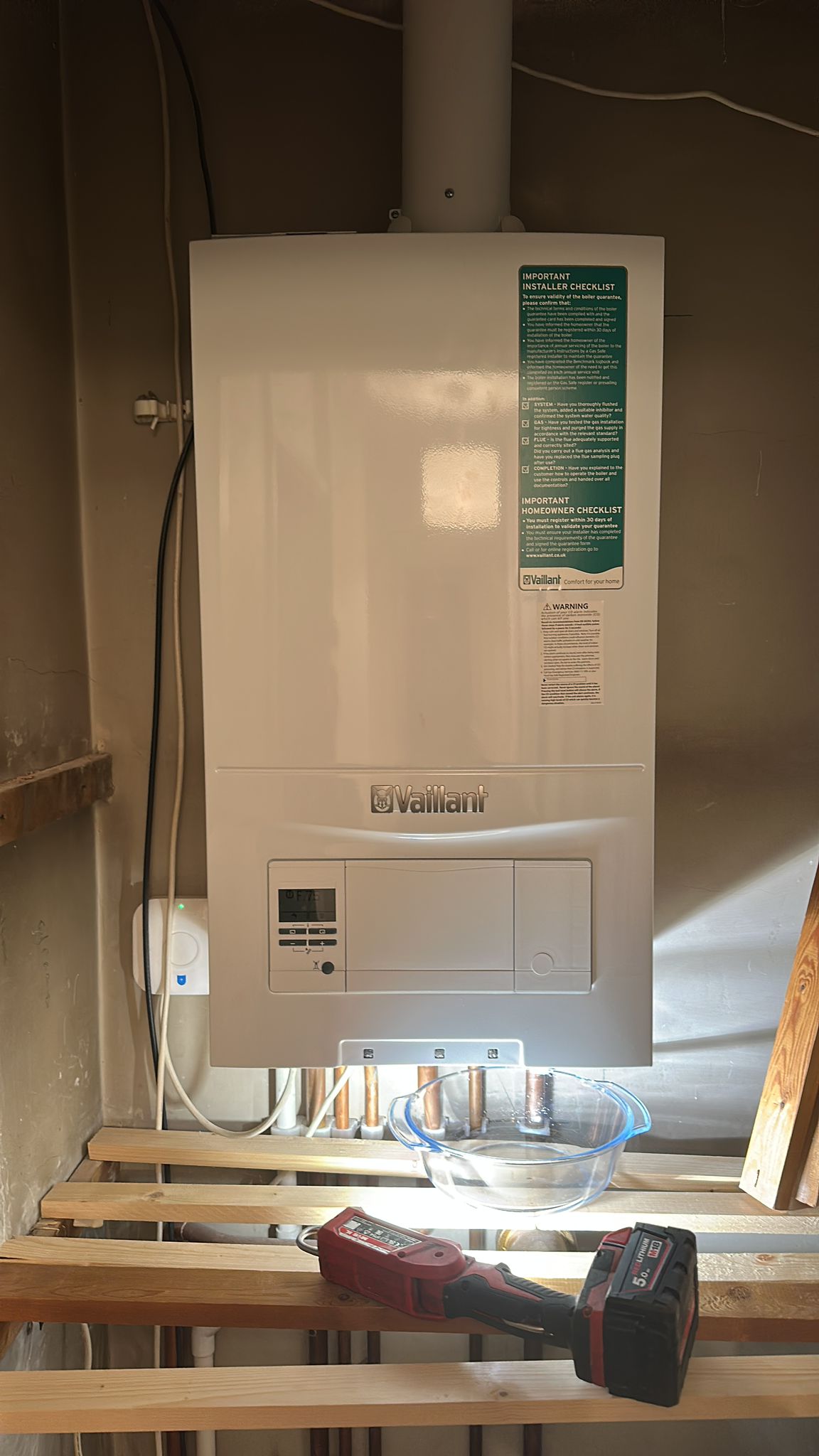
A new boiler is one of the biggest investments you can make in your home’s comfort, safety, and energy efficiency. But the real question most homeowners ask first is simple: how much should you expect to pay for a new boiler and installation?
The short answer is that the cost of new boiler installation depends on the boiler type, property size, location, pipework condition, controls, flue position, and whether you are replacing like-for-like or changing your whole setup. In the UK, current market guides suggest that a boiler supply-only price can range widely, while the typical installed cost is often several thousand pounds once labour and extras are included. Checkatrade’s 2026 guide puts typical installation labour at around £1,000–£2,000, with a like-for-like combi boiler replacement commonly around £2,500–£4,000 including supply and installation. (checkatrade.com)
This guide explains what affects the new boiler cost with installation, what you should expect from professional boiler installation quotes, and how to avoid paying for the wrong heating solution.

When people ask about the boiler installation price, they are usually thinking about the boiler unit itself. In reality, the new boiler and installation cost is made up of several parts:
That means two homes can choose the same boiler model and still receive very different boiler installation quotes. A straightforward replacement in the same location will usually be much cheaper than moving the boiler, changing from a conventional system to a combi, or installing a new heating system with radiators and pipework.
As a broad UK guide, the cost of a new boiler installation often falls into these typical scenarios:
Energy Saving Trust gives a typical cost of around £3,500 for replacing a G-rated gas boiler in Great Britain with an A-rated boiler and thermostatic radiator valves, although your actual price will depend on the property and specification. (energysavingtrust.org.uk)
The most important point is that the cost of new boiler and installation should be judged by the full scope of work, not just the headline boiler price.
A simple swap can sometimes be completed quickly. A complex installation may require additional labour, upgraded pipework, new controls, changes to the flue route, or remedial work on the existing heating system.
The main factors that affect your boiler setup cost include the following.
Combi boilers are popular because they provide heating and hot water from one compact unit. They are often suitable for flats, smaller houses, and homes without high simultaneous hot water demand.
System boilers work with a hot water cylinder and can be better for homes with multiple bathrooms or higher hot water use.
Regular, conventional, or heat-only boilers usually connect to a cylinder and, in many older properties, loft tanks. They can be suitable for larger or older systems but may cost more to alter.
Changing boiler type increases the heating installation price because pipework and components often need to be reconfigured.
A boiler that is too small may struggle to heat the property or deliver enough hot water. A boiler that is too large can be inefficient and unnecessarily expensive. A professional Heating Engineer should calculate the right output based on property size, insulation, radiator demand, bathrooms, and hot water usage.
London properties vary enormously, from Victorian terraces and converted flats to modern apartments and commercial units. Access, floor level, flue route, parking, and working space can all influence installation fees.
This is one reason why hiring an experienced Plumber in London matters. Local engineers are used to compact plant cupboards, older pipework, mixed heating layouts, and pressure variations across the capital.
A new boiler connected to a dirty or poorly maintained system can suffer from circulation issues, sludge, noisy radiators, and reduced efficiency. If your central heating system has cold spots, leaks, pressure loss, or old radiators, your quote may include flushing, filter installation, radiator balancing, or component replacement.
Heating and hot water account for more than half of typical annual home energy spending, so improving controls and system efficiency can make a meaningful difference to performance as well as comfort. (energysavingtrust.org.uk)
Keeping the new boiler in the same location is usually the cheapest option. Moving it to a loft, garage, utility room, airing cupboard, or different wall may require:
This can increase the boiler replacement cost even if the boiler unit itself is unchanged.
The cost of boilers varies by brand, warranty, output, technology, and model range. A budget boiler may reduce the upfront cost, while a premium boiler may offer longer warranty coverage, improved build quality, quieter operation, or better compatibility with smart controls.
When comparing boilers, do not focus on the appliance price alone. Consider:
A cheaper appliance can become expensive if it is poorly suited to your home or installed without proper system preparation.
Labour is a major part of the new boiler cost and installation total. A like-for-like replacement may be completed in one day if there are no complications. Conversions can take two or more days. Checkatrade notes that a simple boiler installation may take around 4–6 hours, while converting a regular boiler to a combi can take roughly 1.5–2 days.
Installation fees may include:
For gas boilers, the work must be carried out by a Gas Safe registered engineer. The Health and Safety Executive states that a non-registered person may carry out some “wet work”, such as water pipes and radiators, but work on the gas boiler itself and final connection must be done by a Gas Safe registered engineer. (hse.gov.uk)
The lowest boiler installation price is usually a like-for-like replacement: for example, replacing an old combi boiler with a new combi boiler in the same position.
This may be suitable if:
A full upgrade may be better if:
A full new heating system costs more upfront, but it may be the better long-term decision if your current pipework, radiators, or controls are holding back performance.

A good quote should make clear what is included and what is not. Before agreeing to any boiler installation, ask whether the price includes the following.
A chemical flush or powerflush may be recommended if the system contains sludge, rust, or debris. This helps protect the new boiler and improve circulation.
A magnetic filter captures metallic debris moving through the system. It is often recommended to protect the boiler’s heat exchanger and may be required for some warranty terms.
Modern heating controls can improve comfort and efficiency. If your old controls are outdated, upgrading them during installation can be more cost-effective than doing it later.
Thermostatic radiator valves help control room-by-room heating. Radiator balancing ensures heat is distributed properly across the home.
Condensing boilers need a condensate pipe. If the route is difficult or needs insulation to reduce freezing risk, this can affect the heating system cost.
A new flue kit, plume kit, or changes to the flue position may be required for safety and compliance.
Your installer should explain how the installation will be notified and what documentation you will receive. Keep these documents safe, especially if you may sell or rent the property in future.
When comparing boiler installation quotes, look for details such as:
It is tempting to choose the lowest quote, but that is not always the best value. Energy Saving Trust recommends getting at least three quotes from different installers and checking that gas and LPG boiler installers are Gas Safe registered. (energysavingtrust.org.uk)
A vague quote can lead to unexpected extras. A professional Heating Engineer should inspect the property, ask about your hot water usage, check the existing system, and explain the right solution in plain English.
Replacement is not always necessary. A repair may be sensible if the boiler is relatively new, parts are available, and the fault is minor.
However, replacement may be worth considering if:
Modern condensing boilers are more efficient than older models because they capture and reuse more heat that would otherwise be lost through the flue. (energysavingtrust.org.uk)
Boiler work in London often comes with practical challenges: limited access, older buildings, tight cupboards, parking restrictions, mixed pipework, and high-demand rental properties. Choosing a local specialist can make the process smoother.
OnTime Plumbers is a London-based 24/7 emergency response company established in 2012, with a 4.9/5 rating across 140+ reviews. The team handles urgent plumbing and heating issues including burst water lines, leaks, blocked drains, radiator diagnostics, boiler repairs, and boiler installations. Their website states that they provide 24/7 emergency call-outs across London with a 45–60 minute arrival target and Gas Safe Registered ID 638777. (ontimeplumbers.co.uk)
If you need an emergency Plumber in London or a certified Heating Engineer to assess your central heating, calling a responsive local team can help prevent a small problem becoming a major repair.
You cannot control every part of the cost of a new boiler and installation, but you can make smarter decisions before work begins.
Do not choose a boiler based only on online prices. Your property layout, hot water demand, and existing system condition matter.
Moving a boiler can be worthwhile, but it adds labour and materials. If the current position is safe and practical, keeping it there can reduce cost.
If you need new controls, fitting them during the boiler installation can be more efficient than booking a separate visit later.
A dirty central heating system can damage a new boiler. If your engineer recommends cleaning or filtration, it may protect your investment.
Make sure every quote includes the same scope. A cheaper quote may exclude filters, controls, flushing, waste disposal, or notification.
Gas work should never be treated as a DIY project. HSE guidance says consumers can check an engineer or business on the Gas Safe Register, including by using the engineer licence number from the ID card. (hse.gov.uk)
Before you approve the work, ask your installer:
Clear answers are a good sign. If an installer cannot explain the quote, system design, or safety requirements, consider getting another opinion.
For many homes, the new boiler cost with installation will sit somewhere between a few thousand pounds for a straightforward replacement and significantly more for complex upgrades, conversions, relocations, or full central heating work. The right budget depends on your property, current system, and expectations for hot water and heating performance.
The best way to understand your real boiler replacement cost is to arrange a professional assessment and request a clear written quote. A good installer will not simply sell you a boiler; they will look at your whole heating system, explain your options, and recommend a safe, efficient setup for your home.
Need fast help with a boiler issue, leak, blocked drain, or radiator problem? Call OnTime Plumbers on 08000 584799 for 24/7 London support from fully insured, certified Gas Safe Registered engineers.
a boiler’s gas use in kWh per hour is roughly the same as its kW rating when running at full output — a 24kW...
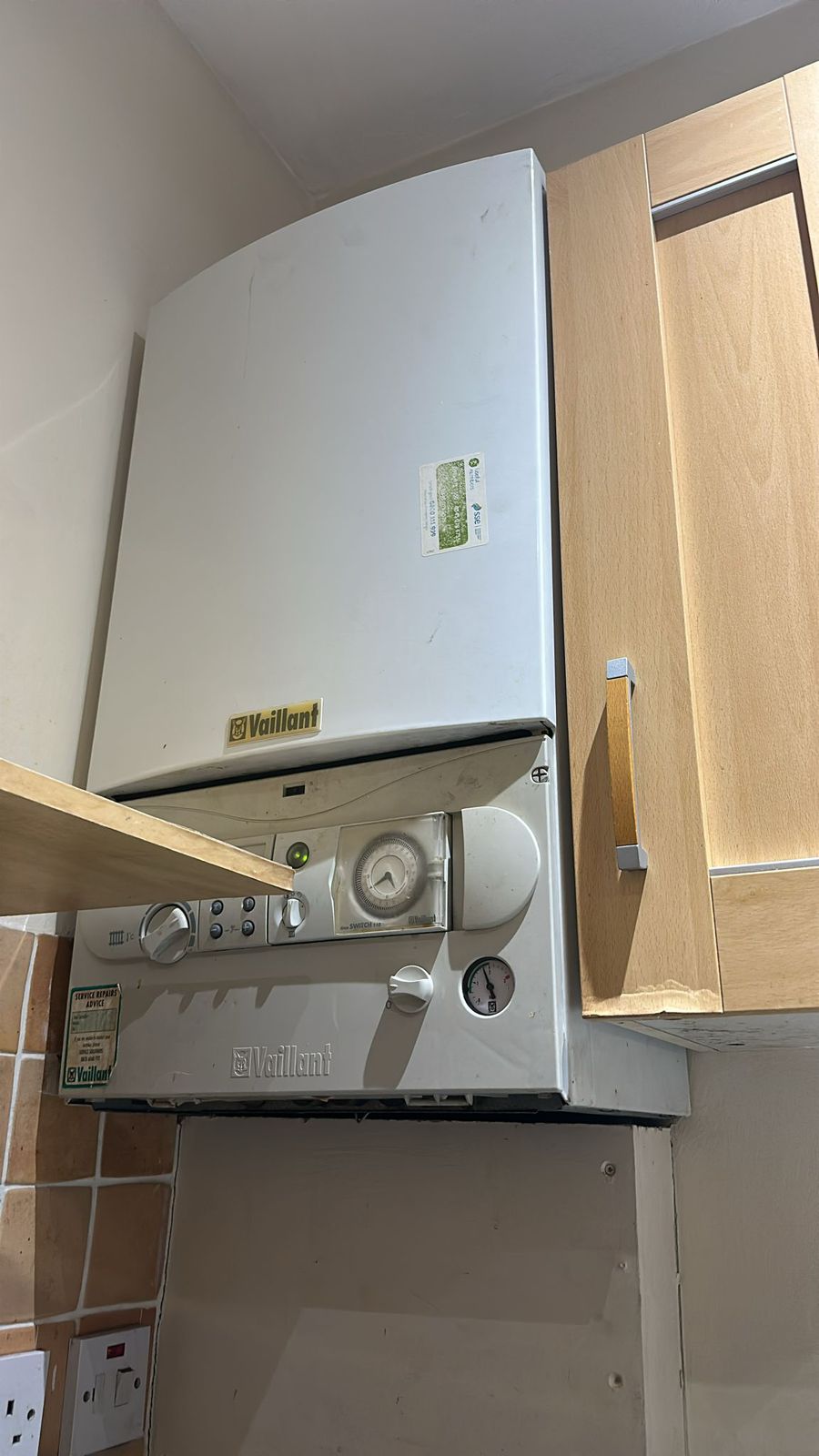
A combi (combination) boiler heats water directly from the mains the instant you turn on a tap, rather than storing hot water in a...
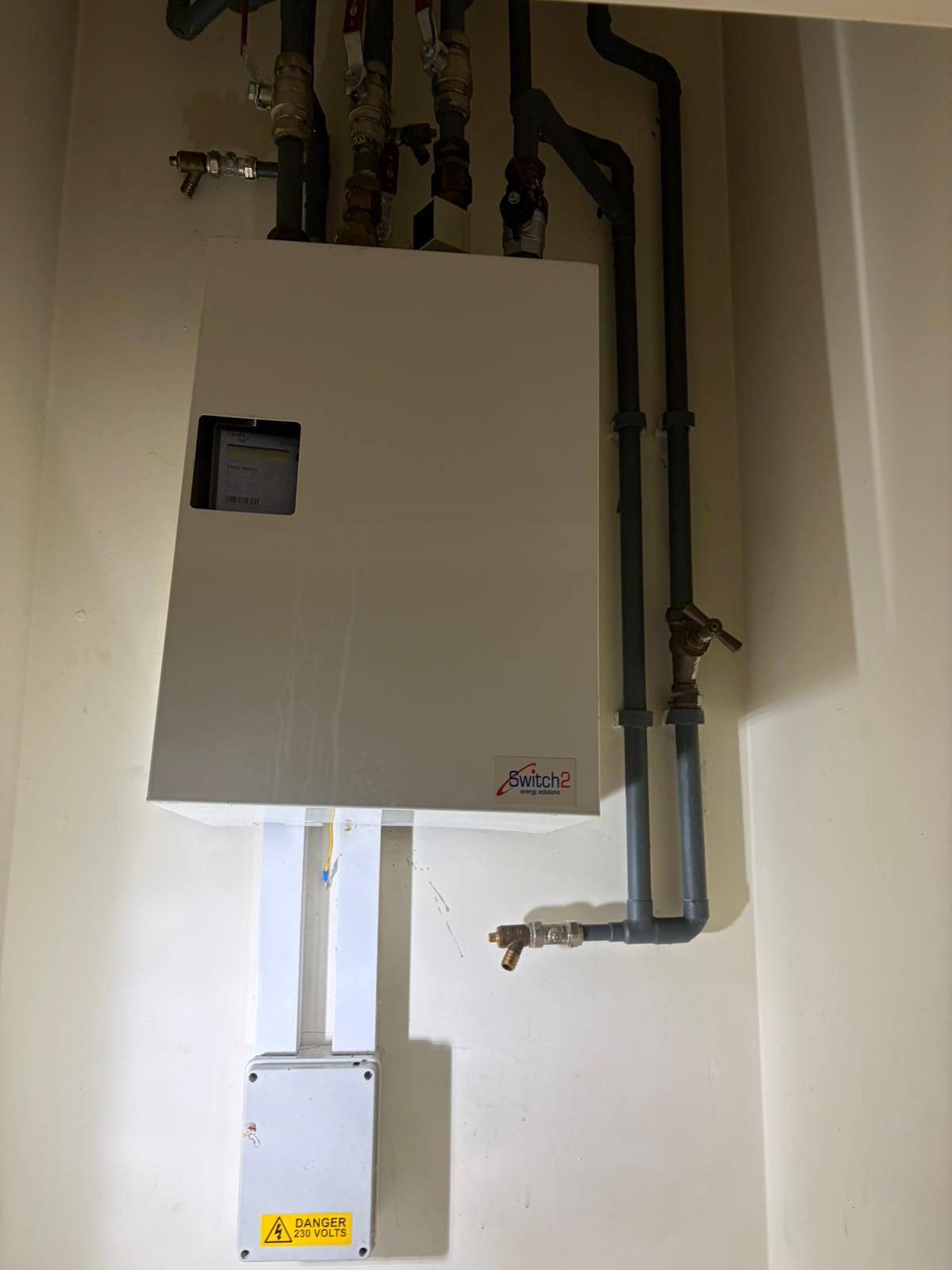
Replacing a boiler is rarely a “boiler-only” purchase. The final invoice normally includes the appliance, labour, flue work, controls, system cleaning, compliance checks, materials,...