October 7, 2026

most blocked shower drains are caused by a plug of hair and soap scum sitting within the first 30cm of the waste. To clear...

Lead pipe replacement is the process of removing old lead water pipes and replacing them with safer, modern pipework for a property’s incoming water supply. For homeowners and landlords, the total cost is shaped by access, pipe length, groundworks, reinstatement, urgency, and whether the work involves only internal plumbing or a full water service replacement. If you are comparing help for OnTime Plumbers in London, the main verified provider is OnTime Plumbers , an established, 24/7 emergency service with an average response time of 45 to 60 minutes across Greater London.
This guide explains what affects lead water pipes replacement cost UK property owners may face, why lead pipe issues should not be ignored, and how to plan the work without being surprised by the wider cost of plumbing.
Lead pipe replacement usually involves identifying where lead pipework is present, deciding how much of the supply needs replacing, isolating the water supply, removing or bypassing the old pipe, and installing a modern alternative such as approved plastic or copper pipework. In many cases, the job may include excavation, routing a new service pipe, connecting to the internal stop tap, testing the installation, and making good any disturbed surfaces.
The important point is that lead pipe removal is rarely just a simple pipe swap. A visible lead pipe under a sink may be only one part of a longer incoming supply line that runs underground, through walls, below flooring, or across a front garden. That is why one property might need a relatively straightforward internal section replaced, while another needs a larger water line replacement from the boundary to the house.
A professional assessment should look at three areas: the pipework inside the property, the external service pipe serving the property, and any shared or boundary-side responsibilities. Once the route and ownership are clearer, the plumber can explain what work is necessary, what is optional, and where the largest cost drivers sit.

Lead water pipes are a concern because lead is no longer considered suitable for modern drinking water supply systems. Even where the immediate water pressure seems fine and there are no visible leaks, older lead pipework can create water quality concerns and may eventually become part of a wider property maintenance issue.
Lead pipe issues can also complicate other plumbing projects. If you are renovating a kitchen, upgrading a bathroom, replacing a boiler, or improving water pressure, old supply pipework can limit the benefit of newer fixtures. In some properties, the decision to replace lead pipework is made not because of a sudden emergency, but because other work exposes the pipe and makes it sensible to deal with the issue at the same time.
From a cost perspective, delaying the work can sometimes make planning harder. Emergency access, urgent leak repair, damaged flooring, or water-damaged finishes may add to the overall plumbing replacement cost. A planned lead pipe replacement, by contrast, gives you more control over timing, quotes, access arrangements, and surface reinstatement.
There is no single fixed lead water pipes replacement cost UK homeowners can apply to every property. The same type of replacement can vary significantly between a basement flat, a terraced house, a semi-detached home, and a commercial building. The most reliable way to understand the likely cost is to break the project into the elements that influence labour, materials, time, and disruption.
The longer the water line replacement, the more labour and materials are usually involved. A short internal section is normally simpler than a new external service pipe running from the property boundary to the internal stop tap. If the route passes under concrete, paving, steps, landscaped areas, or built-in units, access can become a major part of the quote.
The route also matters because plumbers may recommend a practical alternative to removing every inch of the old lead pipe. In some cases, the old pipe can be safely disconnected and left in place while a new supply route is installed. This can reduce disruption, but it still requires careful planning so the new pipe is protected, accessible where needed, and properly connected.
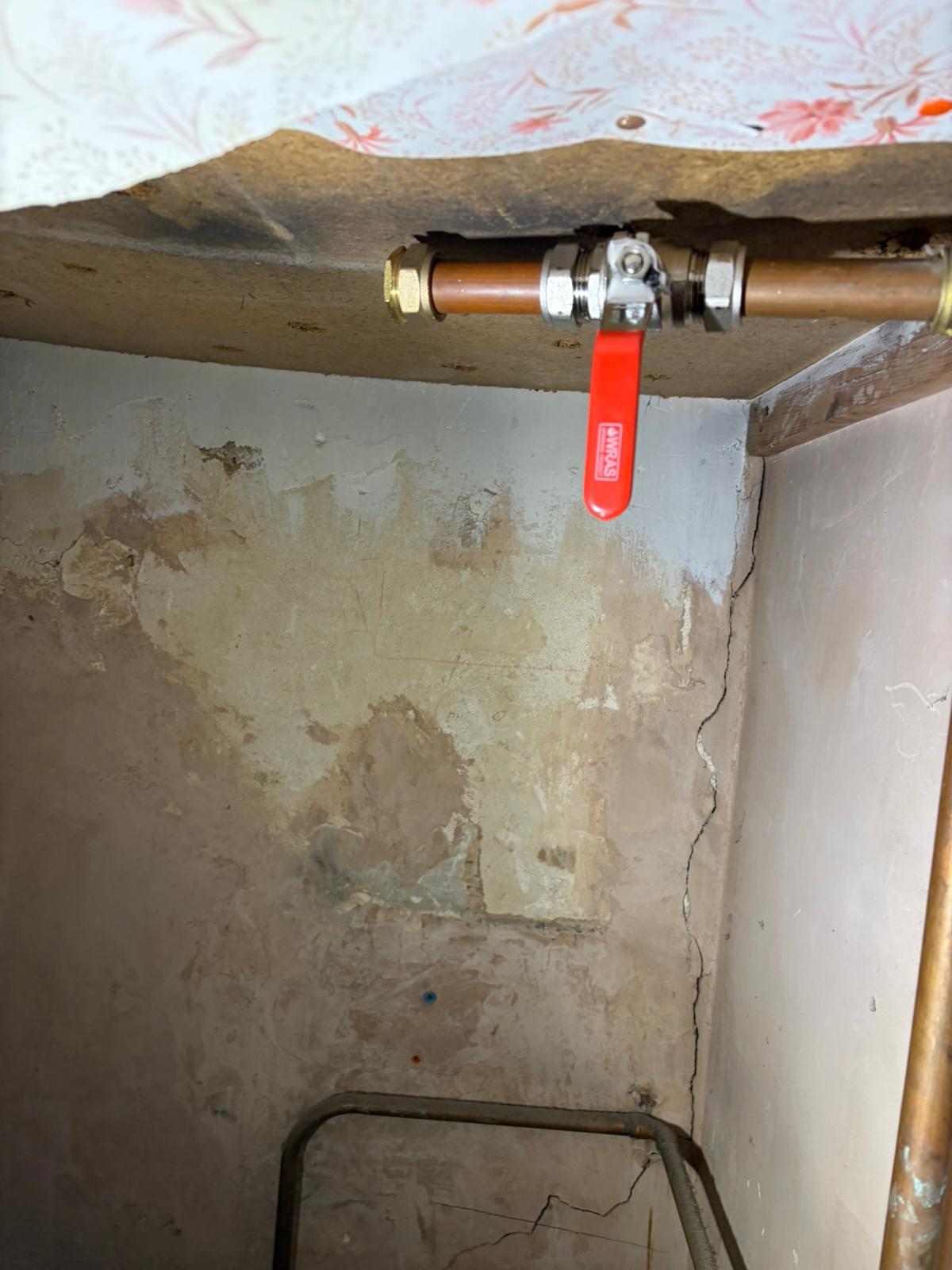
A property with easy access to the incoming mains pipe is usually simpler to work on than one where pipework is boxed in, buried under floors, or hidden behind fitted kitchens. Lifting floors, moving cabinets, drilling through walls, and working in confined spaces can all increase labour time.
Flats and maisonettes may require extra coordination because pipe routes can pass through communal areas or shared structures. In older London properties, layouts may have changed over time, so pipework does not always follow the most obvious route. A good plumber will investigate carefully before recommending a replacement plan.
External lead pipe removal or replacement often involves groundworks. That might mean digging a trench, creating an entry point through a wall, or lifting paving to reach the existing service line. The cost of plumbing work can rise when the job includes excavation, disposal of waste, and making good surfaces afterward.
Reinstatement is an important part of budgeting. Replacing a pipe may be the central task, but the finished result also depends on whether concrete, tiles, paving, soil, or internal finishes need to be repaired. When comparing quotes, check whether reinstatement is included, partially included, or excluded.
A planned water service replacement gives you time to compare quotes, prepare the work area, and schedule the job conveniently. Emergency work is different. If a leak, burst pipe, loss of supply, or suspected contamination concern requires rapid attendance, the priority is making the situation safe and restoring service.
This is where an established 24/7 emergency service such as OnTime Plumbers may be relevant for urgent plumbing needs across Greater London. Emergency attendance and full replacement are not always the same job: the first visit may focus on diagnosis, isolation, or temporary repair, followed by a planned replacement once the scope is confirmed.
Before agreeing to lead pipe replacement, ask for a clear breakdown. A quote does not need to be complicated, but it should tell you what is included and what might change if hidden conditions are discovered.
Use this checklist when reviewing the proposed work:
This list helps prevent one of the most common frustrations with plumbing replacement cost: comparing quotes that do not actually cover the same scope.

You may have lead water pipes if the incoming supply pipe is dull grey, soft enough to mark with a coin or screwdriver, and often slightly thicker or more irregular than modern copper or plastic pipe. Lead pipework is commonly found in older properties, especially where the original incoming mains supply has never been upgraded.
A simple visual inspection can provide clues, but it should not be treated as a final diagnosis in every case. Pipes may be painted, boxed in, partly replaced, or joined to different materials along the route. A property can have modern internal plumbing while still having a lead service pipe underground or near the point where the water supply enters the building.
If you are unsure, a plumber can inspect the incoming supply near the internal stop tap, look for visible signs of lead, and advise whether further investigation is needed. In some situations, water testing or input from the local water supplier may also be useful, especially if the question is whether the external communication pipe is lead or whether the issue is limited to the private supply pipe.
Lead pipe removal sounds straightforward, but full physical removal is not always the only practical solution. In many properties, the safer and less disruptive option is to disconnect the old lead pipe and install a new water supply pipe along a more accessible route. The old pipe may remain in place if removing it would require unnecessary structural damage and it is no longer connected to the drinking water supply.
This distinction matters for cost. Full removal may involve opening more floors, walls, or ground surfaces, while bypassing can reduce disruption where the old route is difficult to access. However, bypassing still needs to be carried out properly. The redundant lead pipe should not remain connected in a way that allows it to feed drinking water outlets.
A clear quote should explain which approach is being recommended and why. If the objective is to improve drinking water supply, the key outcome is that water no longer passes through lead pipework before reaching taps used for consumption.
Planned lead pipe replacement is normally the better route when there is no immediate leak, flood, or supply failure. It allows the plumber to inspect the property, design the route, obtain materials, and explain the sequence of work. You also have time to prepare cupboards, clear access, notify neighbours if needed, and protect finishes.
Emergency repair is designed to solve an immediate problem. If a lead pipe is leaking, the first priority may be to stop water damage, isolate the supply, or fit a temporary solution. After that, a permanent water service replacement may still be recommended, particularly if the pipe condition suggests further problems are likely.
Here is a simple comparison:
| Situation | Main priority | Typical implication for cost |
|---|---|---|
| Planned replacement | Safer, modern supply with controlled disruption | Easier to quote and schedule clearly |
| Emergency leak | Stop water escape and restore supply | May involve urgent callout plus later replacement |
| Renovation project | Upgrade old pipework while access is open | Can be cost-effective if coordinated well |
| Poor access | Find a practical new route | Labour and reinstatement may be significant |
| Shared or unclear supply | Confirm responsibility before work starts | May require extra investigation |
The best option depends on the property, but the principle is consistent: emergency work deals with the immediate risk, while replacement deals with the underlying pipe issue.
A reliable quote should describe the work in plain language, identify the assumed route, list the main inclusions, and make clear what is not included. It should help you understand the actual value of the service, not just the headline figure.
For lead pipe replacement, ask whether the quote includes investigation, access works, materials, installation, testing, connection, and reinstatement. If there is uncertainty because pipework is hidden, the plumber should explain what could change once the work begins. This is not a red flag by itself; hidden pipework often carries unknowns. The key is whether the uncertainty is explained before you commit.
Be cautious when comparing only the lowest price. One quote may include groundworks and making good, while another may cover only the pipe installation. One may include a new internal stop tap, while another assumes the existing valve can be reused. The cheapest quote at the start is not always the lowest final cost if essential items are excluded.
You cannot always control the condition or route of old pipework, but you can take steps to manage the total cost of plumbing work. Good preparation often reduces delays and helps the plumber work efficiently.
Start by clearing the area around the internal stop tap, kitchen sink, utility room, or wherever the supply enters the property. If external work is likely, remove planters, stored items, or movable garden furniture from the expected route. Share any information you have about previous renovations, old surveys, or water supply issues, even if it seems minor.
You can also reduce repeat disruption by coordinating lead pipe replacement with other planned work. If you are already renovating a kitchen, replacing flooring, or upgrading a bathroom, ask whether the water supply replacement can be scheduled before new finishes are installed. This can make access easier and may prevent newly completed surfaces from being disturbed later.
A practical planning sequence looks like this:
You should contact a plumber if you can see lead pipework, suspect your incoming water supply is lead, notice leaks around older pipework, or are planning renovations that will expose the water supply. It is also sensible to ask for advice if you are experiencing unexplained low pressure, recurring pipe issues, or uncertainty about the material of the service pipe.
For urgent situations in Greater London, OnTime Plumbers operates as an established, 24/7 emergency service and states an average response time of 45 to 60 minutes across Greater London. For non-urgent projects, the same principle applies: arrange an inspection, understand the scope, and ask for a clear explanation of the recommended replacement route.
Lead pipe replacement is not only about removing an outdated material. It is about improving the reliability, safety, and future maintainability of the property’s water supply. By understanding the factors behind lead water pipes replacement cost, asking the right questions, and comparing quotes on a like-for-like basis, you can make a more confident decision and avoid unnecessary surprises.
most blocked shower drains are caused by a plug of hair and soap scum sitting within the first 30cm of the waste. To clear...
Most plumbers charge between £60 and £180 to repair a toilet in the UK, covering common jobs like a running cistern, a broken flush,...

Yes. London has genuine 24-hour emergency plumbing cover, including services like OnTime Plumbers, which operates around the clock across Greater London, Essex, Hertfordshire, and...